Indian pet parents are generally good about summer grooming. The heat is visible, the discomfort is obvious, and the connection between a heavy coat and an overheated dog is easy to make.
Monsoon grooming? Most people underestimate it completely.
July through September is actually the most critical grooming period of the year for Indian dogs. Here's why — and what to do about it.
Why Monsoon Is Hard on Your Dog's Coat
The monsoon brings a combination of conditions that are uniquely challenging for dog coats:
Constant moisture. Dogs that go outdoors during monsoon get wet repeatedly — not just in rain, but from puddles, wet grass, and humid air. A coat that never fully dries becomes a problem within days.
High humidity. Even indoors, monsoon humidity in North India sits at 70-90%. This slows coat drying, allows bacteria and fungi to thrive, and makes any existing skin issue worse.
Mud and contaminated water. Monsoon puddles in Indian cities contain everything — mud, road runoff, construction waste. A dog that walks through this carries it home in their paws and coat.
Reduced sunlight. Dogs that sunbathe normally use UV exposure as natural skin maintenance. Overcast monsoon skies eliminate this.
The Three Biggest Monsoon Grooming Risks
1. Hotspots (Acute Moist Dermatitis)
Hotspots are the most common monsoon grooming problem in India. They're bacterial skin infections that develop when moisture gets trapped against the skin — under a mat, in a thick coat, or anywhere that doesn't dry properly.
Hotspots appear suddenly, spread fast, and are extremely uncomfortable for your dog. A small hotspot can grow to the size of your palm within 24-48 hours. They're intensely itchy, causing your dog to lick and scratch obsessively, which makes them worse.
Prevention: Regular professional grooming that ensures the coat is properly dried, and thinning thick coats before monsoon season.
Treatment: Vet visit to clip the area, clean the wound, and prescribe antibiotics and antifungals.
2. Fungal Infections
India's monsoon humidity creates ideal conditions for fungal skin infections — especially in breeds with skin folds (Pugs, Bulldogs, Shar-Peis) and in the ears of floppy-eared breeds (Cocker Spaniels, Beagles, Labradors).
Signs: Ring-shaped patches of hair loss, itching, skin odour, dark or discoloured patches.
Prevention: Keeping the coat clean and dry, regular ear cleaning, ensuring skin folds are dried after every bath or outdoor trip.
3. Paw Pad Infections
Dogs that walk through monsoon puddles repeatedly can develop bacterial and fungal infections between their toes — an area that's hard to dry thoroughly and easy to miss.
Signs: Redness or swelling between toes, licking paws obsessively, limping.
Prevention: Rinse and dry paws thoroughly after every outdoor walk during monsoon. A professional groom includes paw cleaning and moisturising — the groomer will also flag any paw issues they notice.
Monsoon Grooming Schedule — What to Do and When
Before Monsoon (May-June)
This is your preparation window. The goal is to get your dog's coat into the best possible condition before the wet months.
- De-shedding treatment — removes excess undercoat that traps moisture during monsoon
- Full professional groom — clean coat, trimmed nails, clean ears entering the season
- Consider a shorter trim for long-haired breeds — not a shave, but a managed trim that reduces the coat's moisture-holding capacity
During Monsoon (July-September)
Increase grooming frequency by 1-2 weeks for all breeds.
- Shampoo with antifungal properties — ask your groomer for a neem or tea tree based shampoo during monsoon sessions
- Professional blow dry is essential — high-velocity dryers ensure the coat is completely dry to the skin, not just dry on the surface
- Ear checks at every session — monsoon is peak ear infection season
- Paw treatment — moisturising and checking for interdigital issues
After Monsoon (October)
Most dogs need an extra session in October to address any coat and skin issues that developed during monsoon.
- Deep clean session — removing any accumulated debris, addressing any mild fungal patches caught early
- Coat condition assessment — checking for any areas that need attention
- Back to regular schedule from November onwards
How to Dry Your Dog After Monsoon Walks
Between professional grooming sessions, drying your dog properly after every outdoor excursion during monsoon is essential.
What to use:
- Absorbent microfibre towels for the body
- A regular hairdryer on LOW HEAT setting for medium to long-haired dogs — never high heat
- A pet-specific blow dryer if you have one
Focus areas:
- Ears — inside the ear flap and the ear canal entrance (never insert anything into the canal)
- Between toes and paw pads
- Under the chin and throat
- Armpits
- Groin area
- Tail base
A 5-minute post-walk drying routine during monsoon prevents the vast majority of skin problems.
Breeds That Need Extra Monsoon Attention
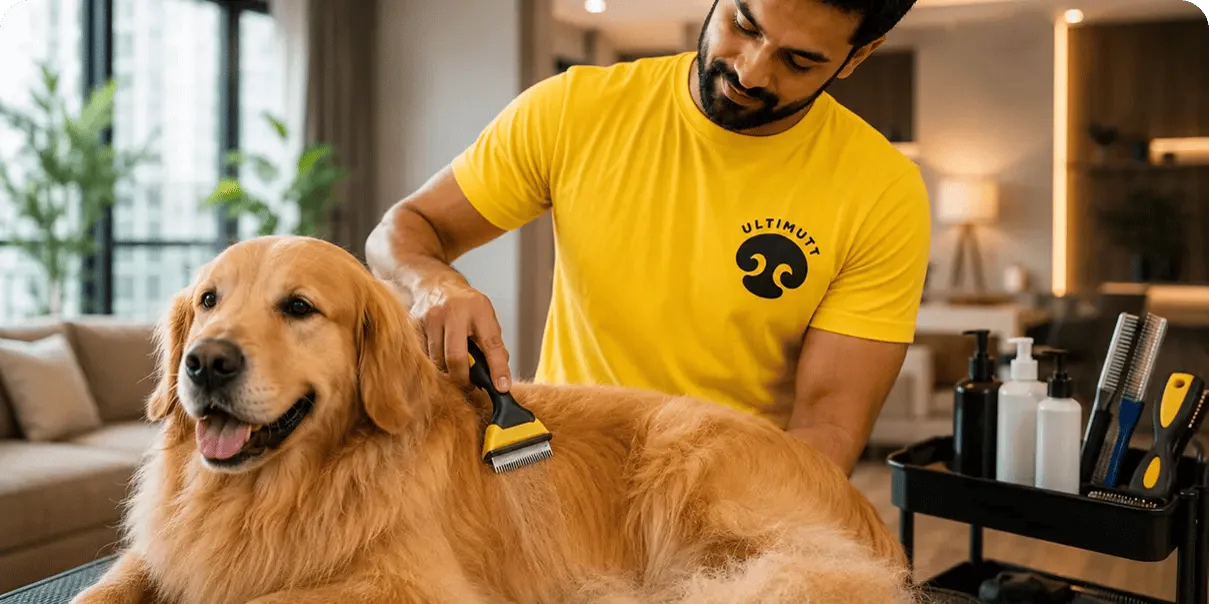
Golden Retriever and Labrador: Their dense coats hold moisture extremely well — great for swimming, problematic during monsoon. Professional grooming every 4-5 weeks during July-September, not 6-8.
Cocker Spaniel: The floppy ear situation makes them highly vulnerable to ear infections during monsoon. Monthly ear cleaning minimum.
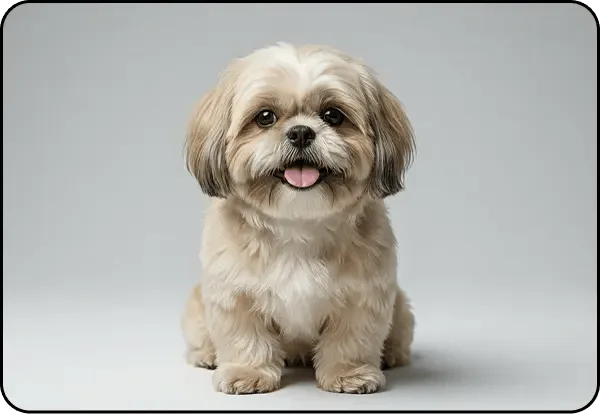
Shih Tzu and other long-haired breeds: Their coat mats faster when damp. Consider a shorter trim entering monsoon season. Daily brushing becomes non-negotiable.
Pugs and Bulldogs: Skin folds between the wrinkles need to be dried after every walk. A damp skin fold in monsoon humidity is an infection waiting to happen.
Indie dogs that go outdoors: Often overlooked because they're perceived as low maintenance. Outdoor Indies walking through monsoon puddles daily need more frequent professional bathing during this season.
The Monsoon Coat Problem No One Talks About: Smell
Even dogs without infections develop a persistent "wet dog" smell during monsoon. This is caused by bacteria and yeast naturally present on the skin multiplying in humid conditions.
Regular baths with the right shampoo manage this. The mistake many pet parents make is bathing more frequently with the wrong products — over-bathing with harsh shampoos strips natural oils and actually makes the smell worse.
Professional grooming with breed-appropriate, pH-balanced shampoos resolves the smell without the downsides of over-washing.
Book Monsoon Grooming in Gurgaon, South Delhi, and Faridabad
Ultimutt's groomers are experienced with monsoon-specific coat care. We use antifungal shampoos when appropriate, professional high-velocity dryers, and take extra time with ear and paw cleaning during July-September.
Same-day and next-day slots available. 5.0 Google rating. 417+ reviews.
4.915.2k viewsTop Posts For You#1 · Grooming Tips10 Dog Grooming Myths Every Indian Pet Parent Believes (But Shouldn't)
4.9#2 · Dog CareDog Grooming at Home in South Delhi — Saket, Vasant Kunj, GK & More
4.7#3 · Dog CareDog Grooming at Home in Faridabad — Professional Care at Your Doorstep
4.8#4 · Dog CareHow Often Should You Groom Your Dog? The Complete Indian Guide
4.6Ready to Book?Professional at-home grooming. Starting at ₹799.
🐾 Get Grooming Tips
Expert advice straight to your inbox. No spam.